Blockchain-enabled supply chains offer immutable, auditable records that trace materials from source to shipment. Standardized identifiers and tamper-evident anchors enable end-to-end provenance and interoperable data sharing, while governance preserves organizational autonomy. Real-world benefits include waste reduction, improved risk visibility, and ethics-driven oversight. Implementations require measurable metrics, interoperable standards, data sovereignty, scalable architectures, and careful onboarding to avoid vendor lock-in. The balance of transparency and controlled access invites consideration of metrics and governance as ongoing experiments.
What Blockchain Brings to Supply Chain Transparency
Blockchain introduces a framework for immutable, auditable records across supply chains, enabling end-to-end traceability from raw materials to final products. The analysis emphasizes governance structures, data interoperability, and interoperable standards, enabling cross-organizational data sharing while preserving autonomy. Detected benefits include verifiable provenance, reduced information asymmetry, and accountable decision-making, supported by measurable metrics and interdisciplinary collaboration across legal, technical, and operational domains.
Tracing Materials: From Source to Shipments
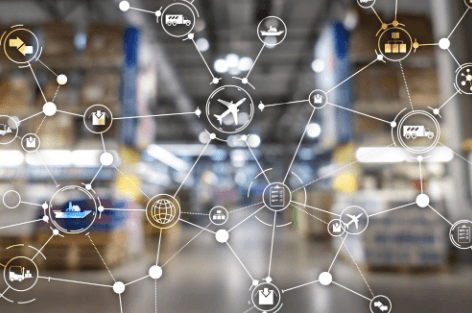
Tracing materials through a chain of custody requires synchronized data capture across upstream sourcing, manufacturing, and logistics stages, anchored by tamper-evident records and standardized identifiers. The approach emphasizes traceability standards, interoperable data schemas, and auditable datasets. Data sovereignty considerations govern who may access records, while audit trails and smart contracts enforce accountable, autonomous governance of material movement and provenance.
Real-World Benefits: Waste Reduction, Risk Management, and Ethics
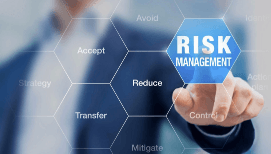
The real-world benefits of deploying blockchain-enabled supply chain systems manifest in measurable reductions in waste, enhanced risk visibility, and ethically guided governance across stakeholders.
Data-driven assessments show waste reduction through optimized Lot traceability and circularity incentives.
Ethics risk management improves accountability, while supply chain transparency facilitates cross-sector collaboration, enabling proactive mitigation, auditability, and resilient, freedom-aligned governance across complex networks.
Choosing Your Path: Implementing Blockchain in Your Network
How should organizations approach the integration of blockchain into a complex supply network to maximize transparency, reliability, and interoperability? The path evaluates trust frameworks, governance models, interoperability standards, and data sovereignty, aligning with privacy controls and auditability strategies. Consider scalability challenges, pilot scale deployments, onboarding workflows, and vendor lock in, balancing transparency with controlled access and robust data governance.
Frequently Asked Questions
How Does Blockchain Handle Data Privacy in Supply Chains?
The answer: Blockchain supports data privacy through data minimization and robust access control, limiting exposed information while enabling auditable provenance; privacy-preserving techniques and governance reduce leakage risk, balancing transparency with controlled disclosure across interdisciplinary supply-chain contexts.
What Are Common Data Interoperability Challenges Across Systems?
Juxtaposition reveals: disparate formats hinder data interoperability; inconsistent schemas, governance gaps, and legacy systems strain system integration. Data interoperability challenges persist across devices, platforms, and partners, demanding standardized metadata, robust APIs, and cross-domain interoperability to enable agile, freedom-loving collaboration.
Who Bears Liability for Blockchain-Recorded Information?
Liability allocation varies by jurisdiction and contract, with entities owning data bearing primary responsibility for accuracy, integrity, and governance. Data ownership, stakeholder roles, and audit trails influence accountability; multi-party agreements and compliance frameworks shape risk distribution and remediation pathways.
See also: Blockchain and Data Transparency
Can SMES Implement Blockchain Without Disrupting Existing Processes?
Like a careful navigator, the answer lies in measured steps. SMEs adoption hinges on integration feasibility; gradual pilots minimize disruption, with interoperable systems and clear governance guiding seamless blockchain adoption within existing processes.
What Are the Upfront and Ongoing Costs of Adoption?
Upfront funding ranges from moderate to substantial, depending on platform, integration, and governance. Ongoing maintenance includes node operations, security audits, and upgrades, totaling continuous annual costs. Data-driven estimates: capex-soft costs, ongoing maintenance, and scalability contingencies for freedom-minded SMEs.
Conclusion
In the grand ledger of trade, a loom weaves disparate threads into a single tapestry. Each node, like a disciplined weaver, records strips of time—the origin, journey, and turning points of materials. As stakeholders align to shared standards, risks shrink and waste dissolves into precise margins. Yet the loom does not reveal all; it trims excess, preserves autonomy, and grants controlled access where needed. The fabric endures—transparent, accountable, resilient—when governance and data sovereignty guide every pass.